

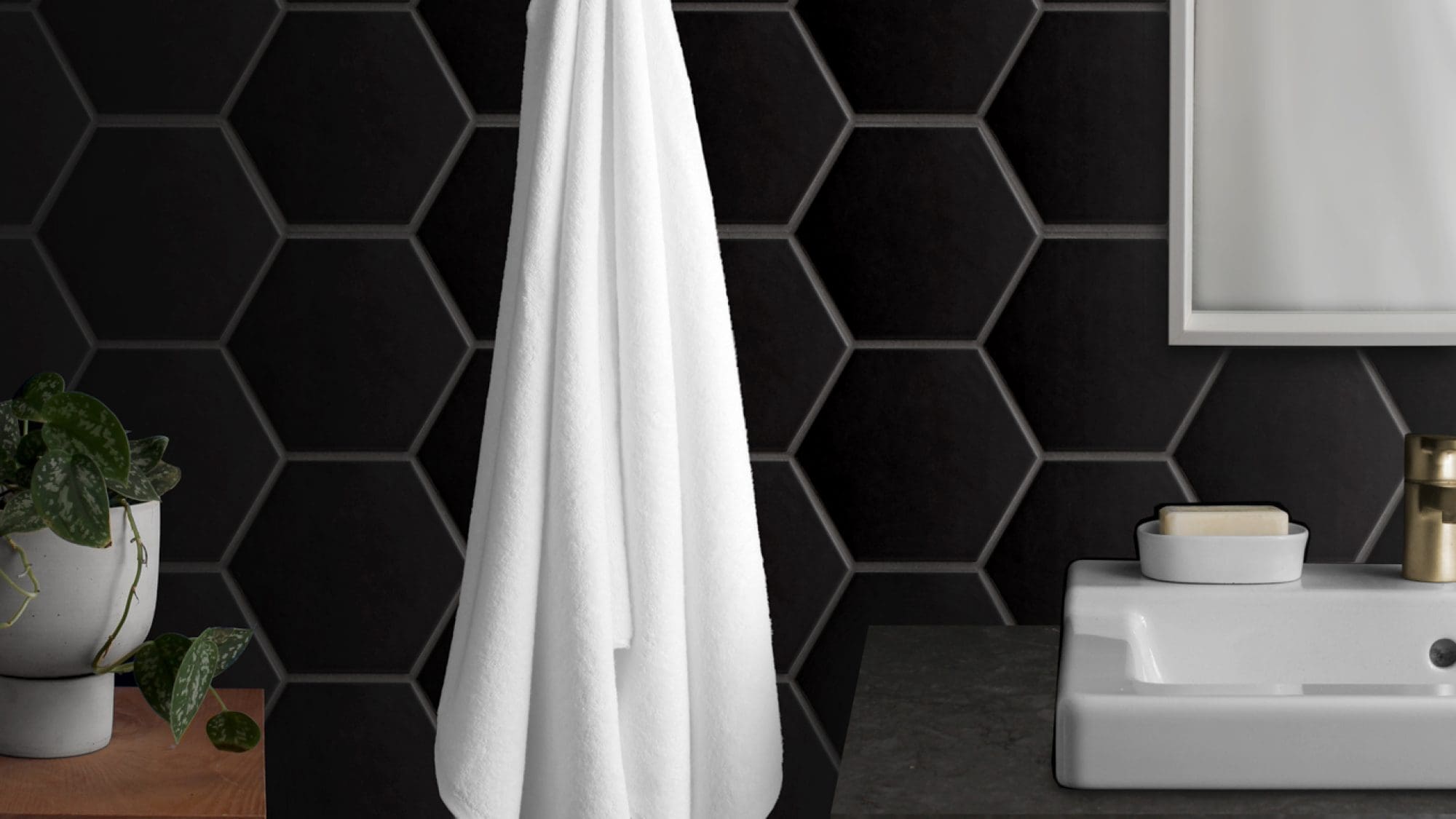
When people think of Turkish towels, they tend to picture sun, sea, and summer. Lightweight. Breezy. Mediterranean. All true—but incomplete.
Turkish textiles didn’t evolve for beach loungers. They evolved for hammams.The traditional hammam experience begins in warmth—steam rising from stone floors, heat settling slowly into the body. The textiles used inside needed to handle temperature contrast without failing. They had to absorb quickly, dry efficiently, insulate gently, and survive relentless washing. No theatrics. Just performance.
That’s why Turkish cotton behaves the way it does.
Long-staple Turkish cotton fibers create yarns that are both absorbent and breathable. In cold weather, this balance is crucial. A towel that absorbs without trapping moisture keeps you warm instead of clammy. A robe that insulates without overheating makes the transition from bath to bedroom tolerable — and very pleasant!
This isn’t accidental. Anatolia has real winters. Damp cold. Snow in some regions. Homes historically relied on textiles for warmth and comfort long before central heating was reliable or universal. Towels and robes weren’t seasonal accessories; they were part of daily survival and ritual.
Contrast that with many modern “luxury” textiles, which prioritize immediate softness at the expense of longevity. They feel impressive in a store, then flatten, stiffen, or pill after a few months. Turkish textiles were designed to impress on day one AND they were meant to endure.
Another quiet advantage in winter: weight without bulk. Turkish towels and robes warm through fiber density and weave—not through padding or synthetics. That’s why they feel substantial without being heavy, and warm without suffocating.
There’s also a cultural philosophy embedded here. The hammam isn’t about indulgence; it’s about renewal. Care for the body through repetition. Heat, water, rest. Repeat. The textiles serve that rhythm. They don’t demand attention. They simply do their job—over and over.
At The Turkish Towel Company, this lineage still guides how towels and robes are made. Not as decorative afterthoughts, but as functional tools refined by centuries of real use.
So yes—Turkish textiles shine in summer. But winter is where their design logic reveals itself. When mornings are cold, floors are unforgiving, and comfort has to be earned, not styled.
The hammam knew this long before we did.